
Strategic Pillar: Education
Program Strategy: Resilience Through Ubuntu
Our program strategy translates the principles of Ubuntu into actionable, region-specific initiatives focused on creating self-sustaining, resilient communities in both urban and rural environments.
Goal: To expand access to quality education and promote educational equity so that every learner can reach their full potential, supported by empowered and inspired teachers.
Initiative | Geographic Focus | Key Activities | Expected Outcome |
|---|---|---|---|
A. Scholarship & Resource Fund | Both Regions (Brooklyn, NY & Uganda) | 1. Educational Scholarships: Provide merit and need-based scholarships annually for tuition and books to students demonstrating academic commitment or community involvement. 2. Resource Distribution: Distribute technology and books to schools (Brooklyn) with the same urgency as scholarships (rural Uganda). | High scholarship utilization; creation of a robust network of educated future leaders. |
B. Infrastructure & Digital Access | Both Regions (Brooklyn, NY & Uganda) | 1. Physical Assets (Uganda): Upgrade educational spaces, rehabilitate existing school facilities, and equip schools with essential resources. This includes enhancing educational environments and partnering with schools to improve learning conditions and provide desks to remove physical barriers. 2. Digital Equity (NY): Ensure all students have high-speed internet for remote learning. | Removal of physical and logistical barriers to entry; universal eligibility for educational opportunities; improved learning outcomes through enhanced environments. |
C. The “Inner System” Support | Both Regions (Brooklyn, NY & Uganda) | 1. Teacher Empowerment (Uganda): Fund professional development and advanced educational opportunities for educators. 2. Classroom Materials (NY): Provide essential materials directly to teachers to support their instruction. | Improved instructional quality; supported, empowered, and inspired teachers. |
D. Research-Driven Reform | Both Regions (Brooklyn, NY & Uganda) | 1. Evaluation: Conduct research to evaluate curriculum effectiveness. 2. Policy Advocacy: Share findings with policymakers to ensure access and equity become the baseline. | Transition from “guessing” to evidence-based solutions; systemic shifts in policy toward equity. |
Help us build a future filled with hope and opportunities
Sign up for our newsletter
Read More
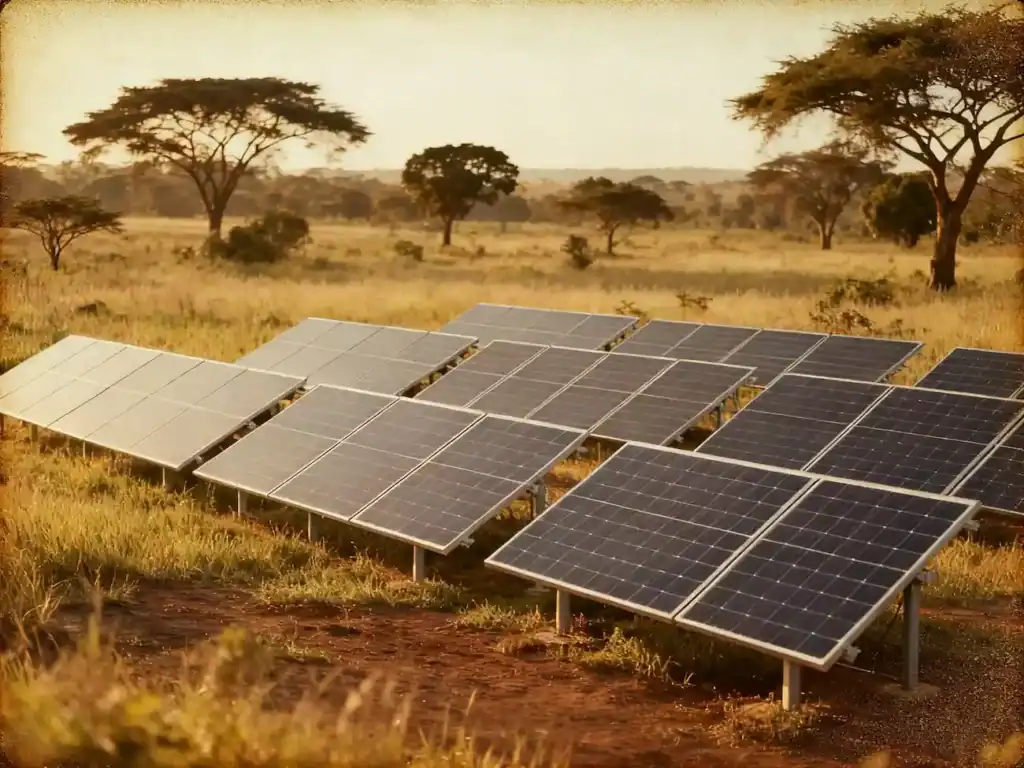
CLEAN ENERGY, CLIMATE CHANGE
Climate Change & Clean Energy (Uganda, East Africa)
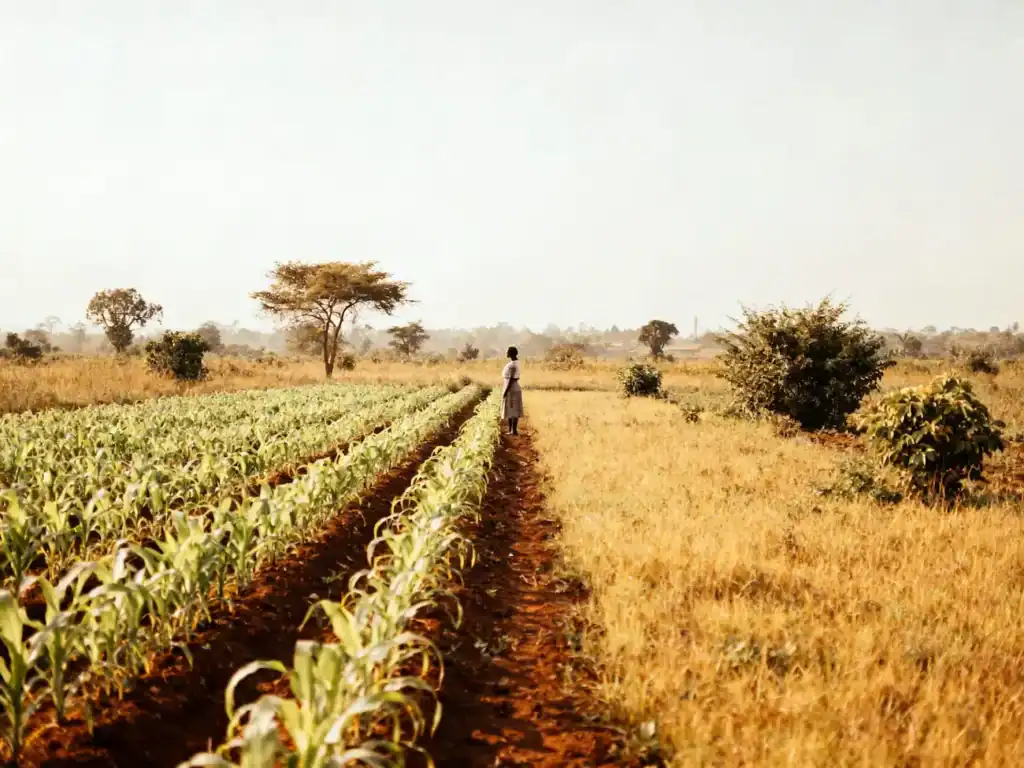
AGRICULTURE, FOOD SECURITY
Agriculture & Food Insecurity (Uganda, East Africa)
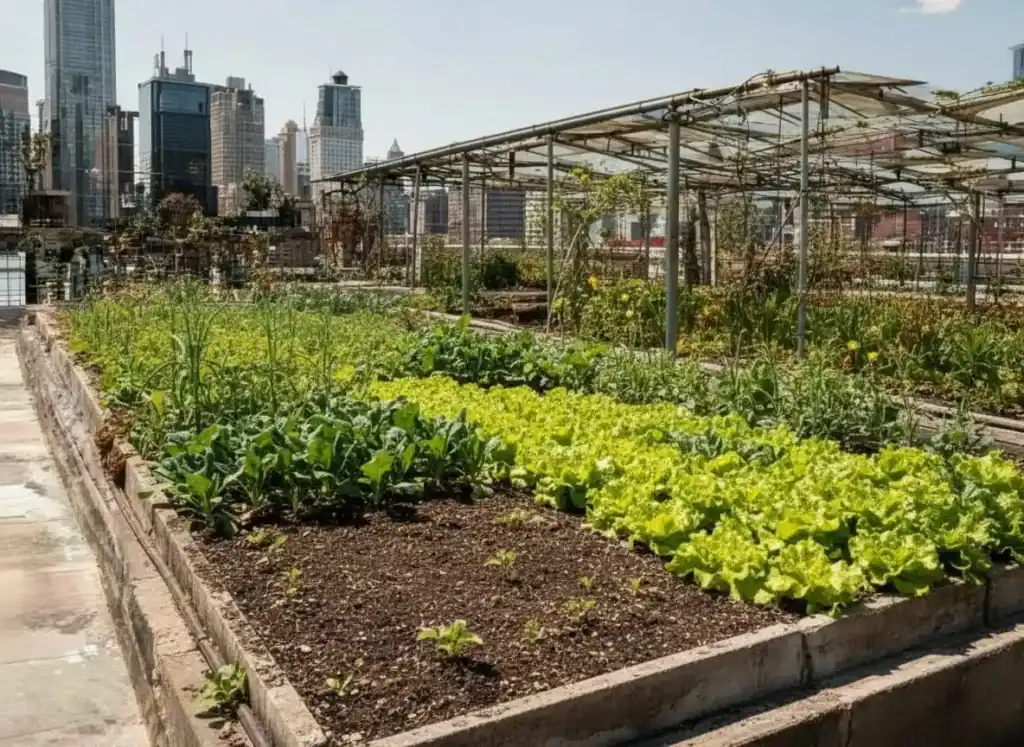
FOOD SECURITY, URBAN AGRICULTURE
Can New York City Feed Itself? Greenhouses and the Future of Urban Agriculture
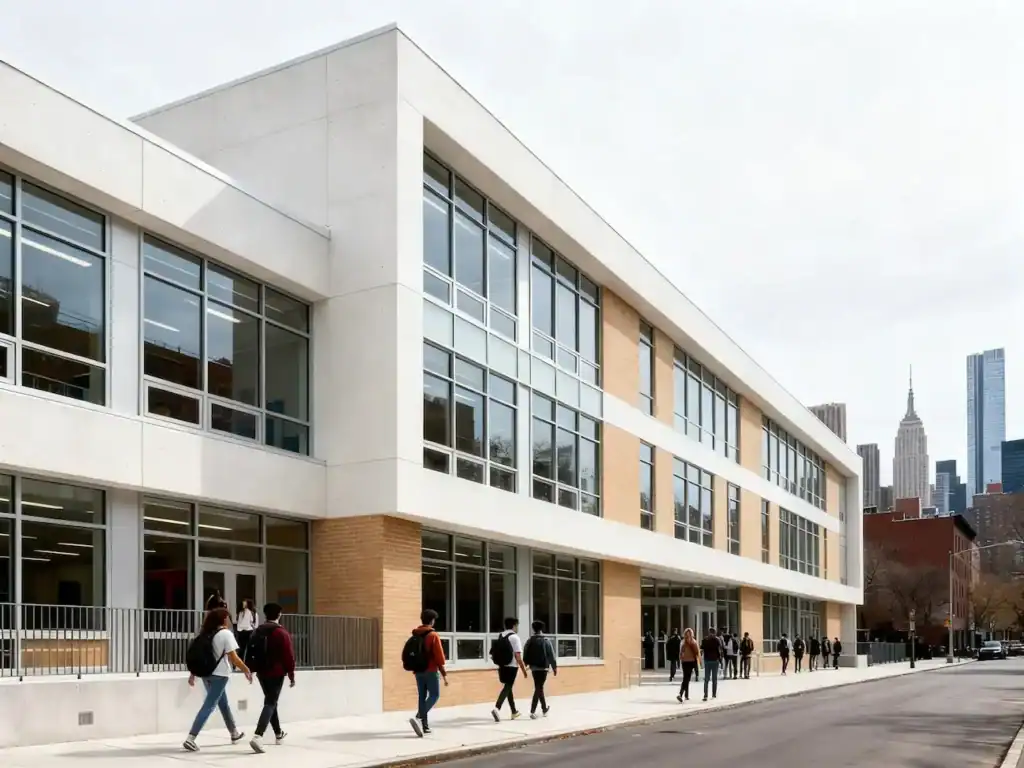
EDUCATION & ADVOCACY
Education Access & Equity (New York City & East Africa)