
Explore Our Work
Guided by the principle of Ubuntu—that our collective well-being is intrinsically linked—our work focuses on critical, interconnected sectors that drive sustainable community growth and resilience. By concentrating our efforts in these key areas, we ensure that progress is holistic and shared.
Areas of Impact
Guided by the principle of Ubuntu—that our collective well-being is intrinsically linked—our work focuses on critical, interconnected sectors that drive sustainable community growth and resilience. By concentrating our efforts in these key areas, we ensure that progress is holistic and shared.
1. Education and Advocacy
Education is the engine of sustained economic and social development. Our initiatives focus on expanding access to relevant, high-quality learning and promoting educational equity so that every learner can reach their full potential, supported by empowered and inspired teachers.
-
Expanding Access: We expand access to quality education, with a specific focus on reaching students in rural and underserved areas. We remove physical and logistical barriers by providing desks and rehabilitating existing school facilities. Our work involves upgrading educational spaces and partnering with schools to improve learning conditions and enhance educational environments. Furthermore, we prioritize digital equity by ensuring all students have high-speed internet and equipping schools with essential resources like technology and books.
-
Skills for the Future: We support skills-based training tailored to local needs, offering skills in sustainable agriculture, climate resilience, and entrepreneurship. We supplement this with research-driven reform, evaluating curriculum effectiveness and sharing findings with policymakers to ensure evidence-based solutions become the baseline for systemic equity.
-
Direct Support: We provide scholarships, mentorship programs, and essential educational resources to disadvantaged groups, ensuring talent is nurtured regardless of circumstance. This includes distributing technology and books alongside merit and need-based scholarships for tuition to create a robust network of future leaders.
-
The “Inner System” Support: We recognize that teachers are the heart of the educational journey. We fund professional development and advanced educational opportunities for educators while providing essential classroom materials directly to teachers to improve instructional quality and ensure they feel supported and inspired.
2. Sustainable Agriculture
We recognize that sustainable agricultural practices and environmental health are fundamental to a resilient community. Our agricultural programs empower farmers of all scales, with a special focus on smallholder farmers who are the backbone of many local economies, to thrive in a changing climate, bridging the gap between “what is” and “what can be.”
-
Promoting Climate-Smart Practices: We support the adoption of sustainable, climate-smart agricultural practices that enhance productivity while minimizing environmental impact. By establishing demonstration plots for regenerative practices—such as minimum tillage, cover cropping, and crop rotation—we aim to sequester carbon, restore soil biodiversity, and reverse climate-driven productivity declines.
-
Support and Access: We provide smallholder farmers with essential training, necessary resources, and improved access to markets, strengthening local value chains. This includes facilitating access to low-cost shared tractor services and precision irrigation, moving from manual labor to modern mechanization to help scale production without increasing the environmental footprint.
-
Protecting Ecosystems: We actively encourage organic farming and agroecology principles to protect biodiversity, enrich soil health, and ensure the land can support future generations. Through the use of organic amendments and biochar, we work to increase soil organic matter and water retention, restoring the natural productivity of the land.
-
Urban Season Extension & CEA: In urban environments, we overhaul infrastructure by installing greenhouses and hoop houses to transition seasonal plots into year-round hubs. By integrating Controlled Environment Agriculture (CEA) technologies like hydroponics and aeroponics, we maximize yields in small lots, ensuring year-round access to nutrient-dense produce and eliminating winter “dormancy traps.”
-
Agricultural Capacity Building: We deliver comprehensive technical training and direct support focused on greenhouse management, soil testing, and crop productivity. Our goal is to reduce dependence on expensive synthetic fertilizers and build circular bioeconomies that strengthen local food systems and improve economic security.
3. Climate Resilience
Addressing the impacts of climate change requires local knowledge and collective action. Our approach supports communities in both adapting to current changes and mitigating future risks.
-
Community-Led Action: We support community-led initiatives focused on climate adaptation (preparing for impacts) and mitigation (reducing emissions). This includes supporting local leaders in incorporating community input into climate action plans and advocating for health-first policies—such as clean cooking and renewable energy—as critical mitigation strategies.
-
Sustainable Infrastructure: We promote the adoption of renewable energy technologies, effective waste management systems, and sustainable land use planning. We facilitate the household transition to solar and clean biomass to replace polluting fuels, while funding rainwater harvesting and community-led composting or waste segregation.
-
Awareness and Education: We raise awareness on critical environmental conservation issues, equipping communities with the knowledge needed to build long-term climate resilience. Our workshops focus on preparing for extreme weather events like heat waves and flooding, alongside strengthening livelihoods to provide economic alternatives to charcoal production, thereby protecting vital carbon sinks.
-
Green Infrastructure & Mitigation: We partner with local gardens to implement green roofing, tree planting, and permeable pavement to measurably reduce the urban heat island effect. By prioritizing electric pressure cookers and ethanol, we aim to eliminate significant annual greenhouse gas emissions from residential cooking, leading to a reduction in respiratory diseases for women and children.
4. General Development Work & Partnerships
Our impact is magnified through collaboration. Embodying the interconnectedness of Ubuntu, we actively seek and cultivate partnerships to achieve broader sustainable development goals.
- Strategic Collaboration: We partner with governments, fellow non-governmental organizations (NGOs), and the private sector to leverage complementary strengths and resources.
- Aligned Goals: This general development work ensures that all efforts are aligned, preventing duplication and supporting the most efficient route toward achieving shared sustainable development goals globally and locally.
Places We Operate
Our mission is activated through direct engagement with communities across two continents, reflecting our core value to serve as a collaborative partner across diverse geographies and challenges. Rooted in local needs and global perspective, we currently operate in New York, United States, and Uganda, with a commitment to responsible, sustainable expansion.
Current Focus Areas: Brooklyn, NY (US Headquarters)
All our programs are grounded in the communal ethos of Ubuntu — I am because we are. Our work in Brooklyn serves as a vital strategic hub for establishing partnerships across the government, non-profit, and private sectors to address local disparities.
1. Education & Digital Equity
We promote education access and educational equity by removing physical and logistical barriers for underserved students.
-
Scholarship & Resource Fund: We provide merit and need-based scholarships for tuition and books to students with strong academic or community commitment.
-
Digital Access: We ensure all students have high-speed internet for remote learning.
-
Resource Distribution: We distribute technology and books to Brooklyn schools with high urgency.
-
Teacher Support: We provide essential materials directly to teachers to support their instruction.
2. Urban Agriculture & Food Systems
We strengthen local food systems and economic security through sustainable agriculture and climate-smart practices.
-
Season Extension: We install greenhouses and hoop houses to transition seasonal plots into year-round hubs.
-
Advanced Technology: Our programs integrate hydroponics and aeroponics to maximize yields in small urban lots.
-
Capacity Building: We train garden leaders in greenhouse management and soil testing to build circular bioeconomies.
3. Climate Resilience & Urban Mitigation
We promote localized adaptation solutions to protect our community from climate shocks.
-
Green Infrastructure: We partner with gardens for green roofing, tree planting, and permeable pavement.
-
Community Preparedness: We lead workshops on preparing for extreme weather events like heat waves and flooding.
4. General Development Work & Partnerships
Our impact is magnified through collaboration, embodying the interconnectedness of Ubuntu.
-
Strategic Collaboration: We partner with governments, fellow NGOs, and the private sector to leverage complementary strengths and resources.
-
Aligned Goals: We ensure all efforts are aligned to prevent duplication and support the most efficient route toward achieving shared sustainable development goals locally.
Current Focus Areas: Uganda (Farmers of all scales, especially smallholders, and rural communities)
All our programs are grounded in the communal ethos of Ubuntu — I am because we are. In Uganda, our work is centered on bridging the gap between “what is” and “what can be” through rural empowerment and environmental restoration.
1. Education & Infrastructure
We promote education access and educational equity by removing physical and logistical barriers for underserved students.
-
Scholarship Fund: We provide annual merit and need-based scholarships for tuition and books.
-
Physical Assets: We upgrade educational spaces, rehabilitate school facilities, and provide desks.
-
Teacher Empowerment: We fund professional development and advanced educational opportunities for educators.
-
Research-Driven Reform: We evaluate curriculum effectiveness to advocate for evidence-based policy shifts.
2. Regenerative Agriculture & Mechanization
We focus on strengthening local food systems and economic security through sustainable agriculture and practices that reverse climate-driven productivity declines.
-
Regenerative Scaling: We establish demonstration plots for practices like minimum tillage and cover cropping to sequester carbon and restore soil biodiversity.
-
Sustainable Mechanization: We facilitate access to shared tractor services and precision irrigation to reduce physical drudgery.
-
Input Access: We provide high-quality seeds, organic amendments, and biochar application tools to rural smallholders.
-
Farmer Training: We deliver programs focused on crop management to reduce dependence on expensive synthetic fertilizers.
3. Climate Resilience & Clean Energy
We prioritize localized adaptation, recognizing that a healthier planet starts with a smokeless home.
-
Clean Cooking & Health: We distribute renewable technologies—such as solar and electric pressure cookers—to eliminate indoor air pollution.
-
Forest Protection: We provide economic alternatives to charcoal production to stop deforestation and protect carbon sinks.
-
Waste & Water Resilience: We fund community-led composting, waste segregation, and rainwater harvesting.
-
Policy Advocacy: We advocate for clean cooking and renewable energy as critical global climate mitigation strategies.
4. General Development Work & Partnerships
Our impact is magnified through collaboration, embodying the interconnectedness of Ubuntu.
-
Strategic Collaboration: We partner with governments, fellow NGOs, and the private sector to leverage complementary strengths and resources.
-
Aligned Goals: This work ensures that all efforts are aligned, preventing duplication and supporting the most efficient route toward achieving shared sustainable development goals globally.
Vision for Expansion
Our long-term strategy is to scale our successful, community-led models to meet the growing demand for sustainable development and expanded opportunity globally. We plan to achieve this through a measured, partnership-first approach:
- Africa: We are actively laying the groundwork to expand our footprint into other African countries, seeking regions where our expertise in climate resilience, agricultural innovation, and community-led development can have the greatest impact.
- United States: We aim to deepen our impact in New York by moving beyond Brooklyn to engage other boroughs and neighborhoods. Furthermore, we intend to expand our model for economic empowerment and opportunity into other US states that face similar challenges in social and economic equity.
Help us build a future filled with hope and opportunities
Sign up for our newsletter
Read More
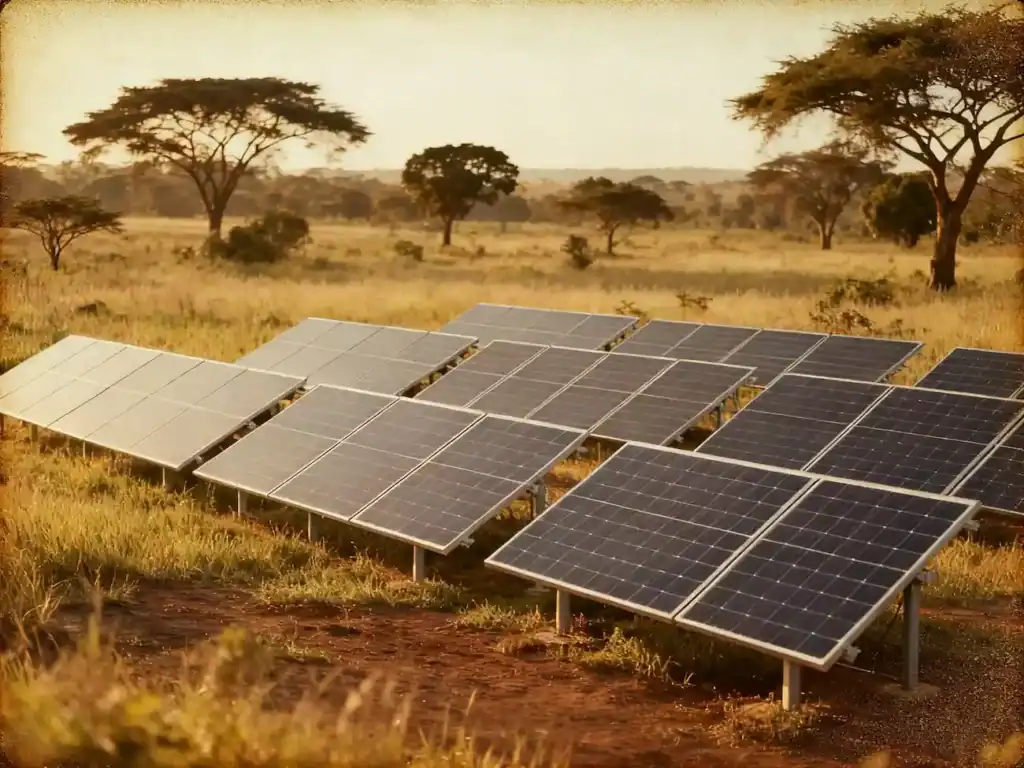
CLEAN ENERGY, CLIMATE CHANGE
Climate Change & Clean Energy (Uganda, East Africa)
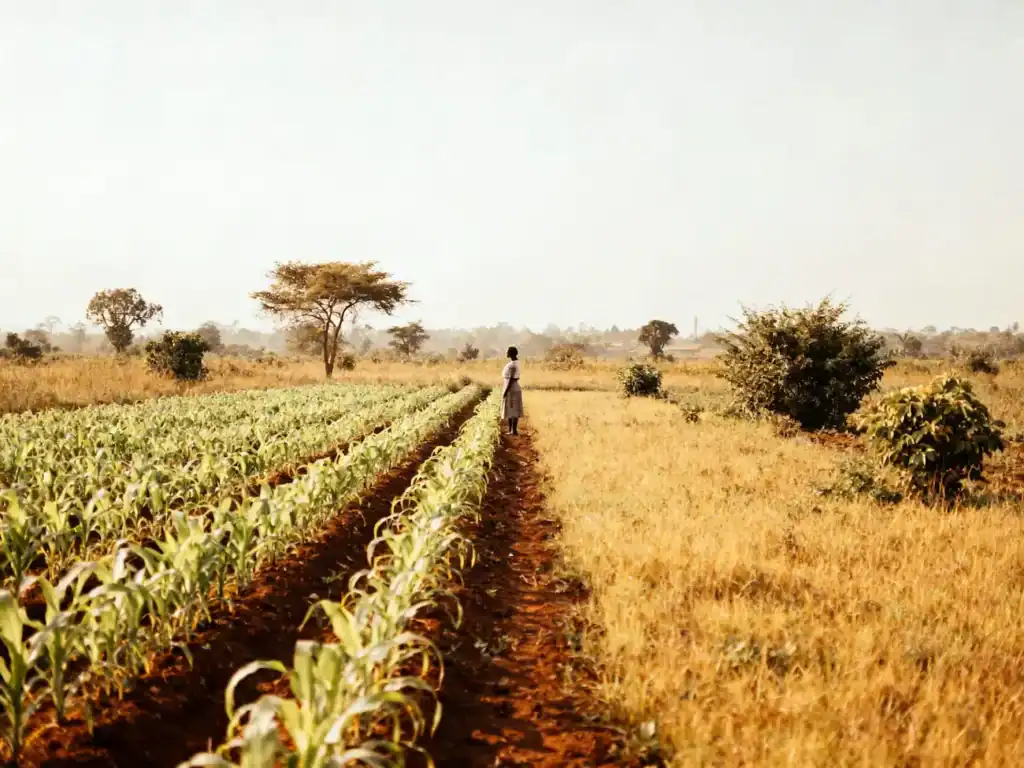
AGRICULTURE, FOOD SECURITY
Agriculture & Food Insecurity (Uganda, East Africa)
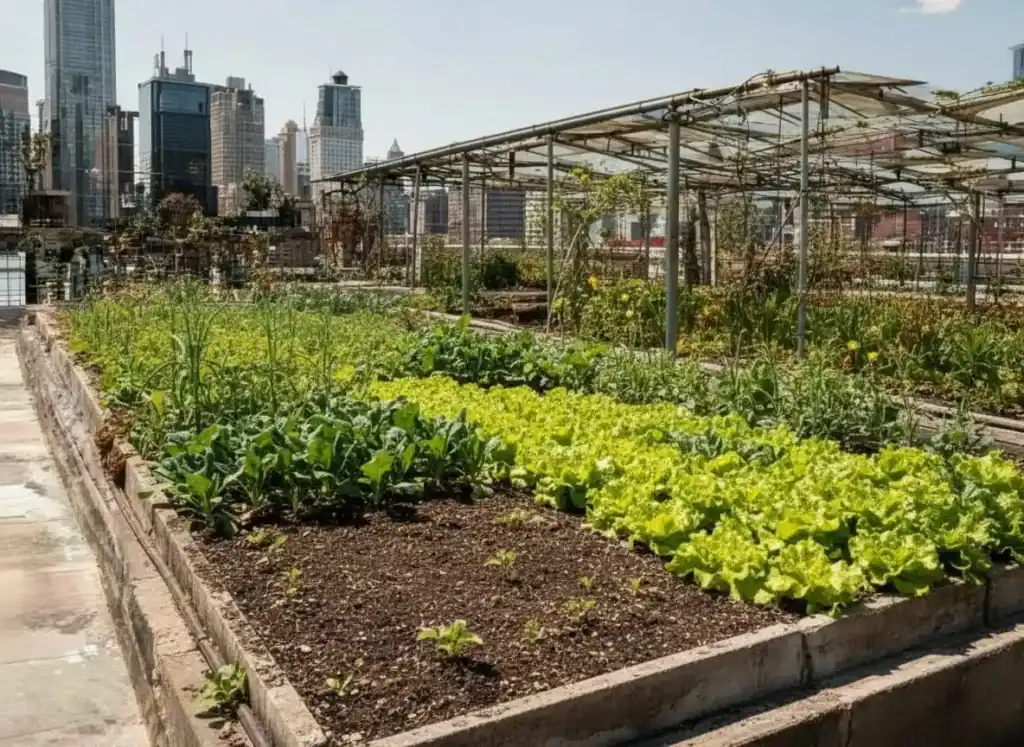
FOOD SECURITY, URBAN AGRICULTURE
Can New York City Feed Itself? Greenhouses and the Future of Urban Agriculture
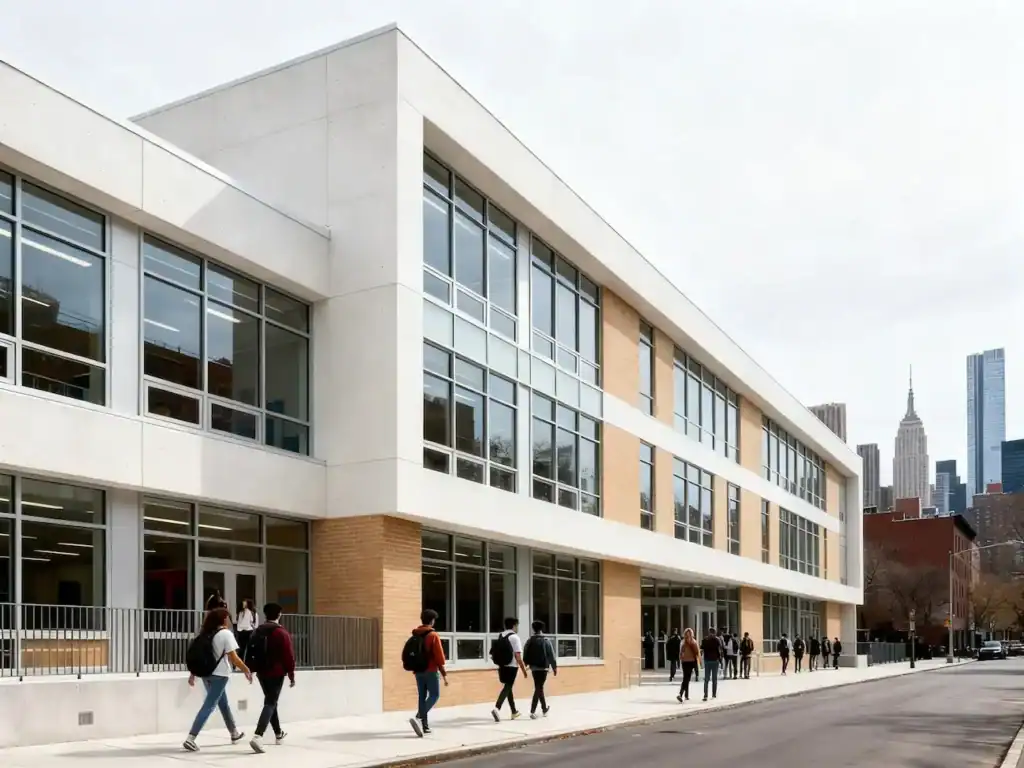
EDUCATION & ADVOCACY
Education Access & Equity (New York City & East Africa)